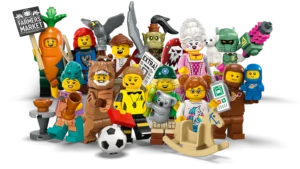

Printing on LEGO minifigures is a meticulous and highly refined process that has evolved significantly since the first minifigure was introduced in 1978. What began as simple, unadorned figures has transformed into an intricate art, where characters are brought to life with vibrant details and expressive features.
The Initial Steps: Design and Mold Creation
The creation of a LEGO minifigure begins long before the printing process, starting with a detailed design phase. During brainstorming sessions, LEGO designers conceive new characters and play themes. These ideas are translated into digital models, where every aspect of the minifigure, from facial expressions to clothing details, is meticulously planned. Once the design is finalized, molds for the minifigure parts are created. These molds are made from high-precision steel and are used in the injection molding process to produce the blank minifigure parts, such as heads, torsos, legs, and arms.
Printing Technology: The Heart of Minifigure Detail
The printing process is where the blank plastic minifigure parts receive their distinctive features. LEGO primarily uses a method known as pad printing. This technique involves transferring ink from a silicone pad onto the surface of the minifigure parts. Each color and detail is added in separate layers, requiring extreme precision to ensure that all elements are perfectly aligned.
For instance, the printing of a minifigure head starts with a blank, yellow studded cylinder. This blank passes through several stages where each facial feature is printed sequentially: hair, eyebrows, eyes, mouth, and even the tiny white dots that give the eyes a lifelike sparkle. The pad printing machines are highly automated and can produce up to 23,000 minifigure heads per hour, each one consistent with the next (Bricks RSS).
Handling Complex Designs and Multiple Colors
Complex designs that require multiple colors or cover a larger surface area, such as the torso or legs, are handled with equal care. Each piece is printed in stages, with the minifigure parts passing through the printing machines multiple times to receive each color layer. For example, a minifigure’s torso might require several passes through the printing line to apply a base color, followed by intricate designs like belts, logos, or patterns. The arms and legs might also receive additional prints, although these are less common and typically reserved for special edition figures.
Quality Control and Assembly
Quality control is a critical part of LEGO’s manufacturing process. Every printed part undergoes thorough inspection to ensure that it meets LEGO’s stringent quality standards. Even the slightest misalignment or smudge can result in a part being rejected. Interestingly, while LEGO aims for perfection, misprinted minifigures sometimes make it into circulation and become highly prized collectibles due to their rarity.
Once the printing is complete, the minifigure parts are assembled. The assembly is also largely automated, with machines precisely fitting together the torso, arms, legs, and head. After assembly, the minifigures are packaged either as standalone items in collectible series or included as part of larger LEGO sets.
The Evolution of LEGO Printing
LEGO’s printing technology has evolved dramatically over the decades. Initially, minifigures were simple and lacked the detailed printing seen today. However, advancements in pad printing technology and digital design have allowed LEGO to produce minifigures with highly detailed and multi-colored prints, which contribute significantly to the character and appeal of LEGO sets. This evolution has enabled LEGO to create minifigures that are not only toys but also collector’s items and cultural icons.
Conclusion
The process of printing on LEGO minifigures is a blend of high technology, precision engineering, and artistic creativity. From the initial design phase to the final assembly, each step is meticulously controlled to ensure that the final product meets LEGO’s high standards. This process has allowed LEGO to create minifigures that are beloved by millions around the world, bringing joy and creativity to both children and adults alike. Whether it’s a simple smiley face or a complex superhero suit, each printed minifigure is a testament to the care and craftsmanship that goes into every LEGO product.