

If you’ve ever priced out a Commander deck and muttered “there’s no way,” you’ve probably also wondered if ProxyMTG is a real thing, and if the cards are actually playable. This ProxyMTG.com legit review is here to answer the two questions people really mean: is ProxyMTG.com legit as a business, and is it worth ordering proxies from them for real games with real humans.
Also, quick reality check: when players say “legit,” sometimes they mean “Will a tournament allow this?” That’s a totally different question. We’ll cover both, because the internet loves mixing them together.
ProxyMTG.com legit review: the quick verdict
Yes, ProxyMTG.com is legit. The product quality is good, and they are legit in the “this is a real business with real policies and support” sense. They publish a Trust Center, a clear proxy use policy, shipping expectations, and a defined returns process. They also spell out that their products are for casual play and playtesting, not sanctioned events.
Is it worth it? If you want proxies that feel consistent in sleeves and you don’t want to mess with home printing and cutting, it’s worth it. If you only need a one-night test and don’t care how ugly the proxies are, printing paper slips at home is still the cheapest option.
First: what ProxyMTG sells (and what it does not)
ProxyMTG positions itself as a print-on-demand proxy and playtest card service. That means you order, then they print and ship, instead of pulling from pre-made inventory. They’re also very direct about intended use: casual play, testing, cube nights, protecting expensive originals, that kind of thing.
What they are not selling (and what you should not be trying to buy) is “tournament-legal Magic cards.” ProxyMTG says their cards are not for sanctioned events and should never be represented, resold, or traded as authentic. They also recommend custom backs to reduce confusion and misuse.
That line matters. Not just for ethics, but because it’s the difference between “normal proxy culture” and “counterfeit mess.”
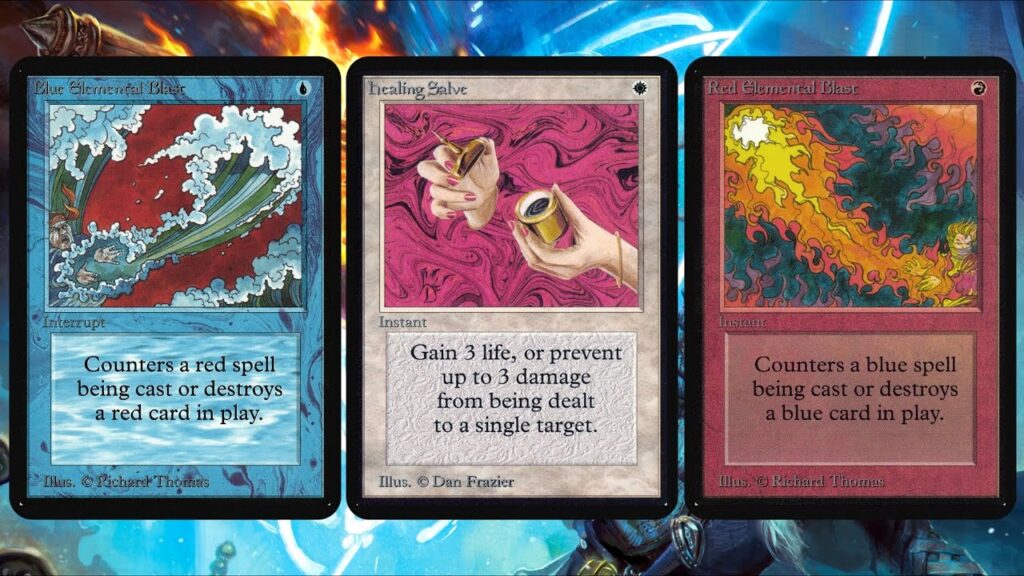
Are ProxyMTG proxies “legal” in Magic?
Here’s the clean way to think about it:
- Sanctioned events: generally require authentic Magic cards, with a narrow judge-issued exception if a card is damaged during the event.
- Unsanctioned play: your playgroup or store can set house rules. Some allow proxies freely, some allow a limited number, and some don’t want them at all.
Wizards of the Coast has also said they have no desire to police playtest cards made for personal, non-commercial use, even if that use happens in a store, while still requiring authentic cards in sanctioned play.
So if your fear is “am i going to get in trouble for proxying at the kitchen table,” the practical answer is: no, just be transparent and follow your group’s rules. If your question is “can i bring these to a sanctioned event,” the answer is: don’t.
The “legit” checklist: what matters when you’re judging a proxy site
When someone asks if ProxyMTG.com is legit, they’re usually asking if they’ll actually get what they paid for, and if there’s a way to fix it if something goes wrong.
A few signals that help here:
Clear policies you can actually read
ProxyMTG has a Trust Center that points to their shipping policy, returns policy, and support. That’s a simple thing, but scammy sites rarely bother building a whole policy stack that spells out timelines, claim windows, and what’s not eligible.
A real proxy use policy (with boundaries)
They publish a proxy use policy that explicitly prohibits sanctioned use and misrepresentation, and they say they may refuse orders that look like they’re meant to deceive. That’s exactly the kind of boundary you want a proxy printer to have, even if it’s slightly inconvenient for people trying to do shady stuff.
Shipping expectations spelled out
Their shipping policy separates production time from transit time and gives typical ranges, plus a heads-up about “label created” tracking weirdness. That kind of boring detail is usually a good sign.
A returns process that matches print-on-demand reality
Print-on-demand businesses generally can’t accept “i changed my mind” returns. ProxyMTG’s return policy follows that logic, while still offering fixes for damage, missing items, wrong items, or defects within a stated window.
None of this guarantees perfection, but it does put ProxyMTG in the “normal business behavior” category.
Ordering experience: decklist-to-cart matters more than people think
One of the reasons proxy sites live or die is the ordering flow. If adding 100 cards feels like punishment, you’ll abandon the cart.
ProxyMTG focuses heavily on “decklist-to-print.” They allow you to upload a decklist or build via search and set browsing, then adjust quantities and versions before checkout. If you print proxies often, this is the difference between “i’ll actually use this” and “i’ll do it later” (you will not do it later).
And yes, the site look and feel matters. A clean interface reduces mistakes, and mistakes are the #1 way people end up mad at a proxy order that was technically their own fault.
Print quality: what you should care about in sleeves
Most proxy reviews get weird here. People zoom in at 400% and start judging cyan curves like they’re grading fine art.
For actual play, here’s what matters:
Cardstock consistency
ProxyMTG says they print on S33 German black-core cardstock. Black-core stock is popular in the proxy world because it helps proxies feel closer to standard trading card thickness and opacity in sleeves. If you care about “shuffle feel,” this is a big deal.
Finish and durability
They also say they use UV coating on every card for a more TCG-style finish and better durability through shuffling and handling. In real life, this shows up as: cards don’t feel like paper crafts, and they don’t immediately look destroyed after two games.
Cut and sizing
Clean edges and consistent sizing are underrated. Bad cuts make sleeves split, corners catch, and decks feel “off” in-hand. ProxyMTG describes precision die-cutting as part of their process.
The MPC comparison
A lot of people benchmark proxy quality against MakePlayingCards (MPC), because MPC has been the default for years. In our testing and handling, ProxyMTG’s in-sleeve feel is very close to MPC and better than many smaller print-on-demand proxy sellers. The big difference is convenience: MPC often takes more setup work, while ProxyMTG is built for “search, upload list, order.”
If you’re building decks you’ll actually shuffle weekly, this is the spot where “worth it” becomes a yes.
Pricing and value: the real math is per deck, not per card
ProxyMTG uses tiered pricing that drops as you order more cards. That structure makes sense because most customers are printing chunks of a deck, full Commander decks, or cube updates, not just one random card.
They also advertise free shipping over a threshold (shown on their print proxies page) and describe how shipping options can vary by order size. If you’re the type who prints 100+ cards at a time, bulk pricing is usually what decides whether a service is worth using long-term.
The main value argument for ProxyMTG isn’t “it’s the cheapest.” The value is: you get consistent, playable proxies without spending your weekend doing arts-and-crafts.
Turnaround and shipping: what to expect (and what to ignore)
ProxyMTG’s shipping policy states that most orders are produced in about 2 business days, with transit commonly landing in the 3–7 business day range in the U.S. They also explain the tracked vs untracked split (including plain white envelope shipments for smaller orders).
The part that saves people stress: tracking can show “label created” or “pre-shipment” for a bit because scans don’t always post immediately. If you’ve ordered anything online in the last five years, you’ve seen this movie.
So is it fast? It sounds reasonably fast for print-on-demand, as long as you’re not expecting Amazon teleportation.
Who ProxyMTG is worth it for (and who should skip it)
This ProxyMTG.com legit review lands pretty cleanly depending on what kind of Magic you play.
Worth it if:
- You play Commander, Cube, casual Legacy, or any group where proxies are normal.
- You want proxies that don’t look like homework assignments.
- You update decks often and want a smooth decklist ordering flow.
- You’d rather protect expensive originals and shuffle proxies instead.
Maybe skip if:
- You only need a one-night test and don’t care about print quality.
- Your local scene hates proxies and you don’t want the social friction.
- You primarily play sanctioned events. This is not the tool for that job.
Proxy etiquette: how to use proxies without being “that person”
Proxies are usually fine until someone feels tricked or the board state becomes unreadable.
A few habits help:
- Tell the table you’re using proxies before the game starts.
- Keep everything sleeved consistently.
- Use readable prints. If someone has to squint, you’re slowing the game down.
- Avoid anything that looks like you’re trying to pass them off as authentic.
ProxyMTG’s own policy leans into this: clarity, labeling, and no misrepresentation. That’s the right direction.
Final take: is ProxyMTG.com legit, and is it worth it?
Yes, ProxyMTG.com is legit based on the stuff that matters: transparent policies, clear boundaries on use, support paths, and a print-on-demand process that’s explained in plain language.
Is it worth it? If you want proxies that feel good in sleeves and you’re tired of paper slips, yes. If you’re only proxying to goldfish a list once, probably not.
And if you came here just needing the sentence you can send your friend: ProxyMTG is for casual play and testing, not tournaments. Don’t be weird about it, and most tables will be chill.
