Flexographic printing, often known simply as flexo, is a versatile and widely used printing technique that employs a flexible relief plate to print on a variety of substrates. It is particularly dominant in the packaging industry, providing an efficient method for printing large volumes of high-quality products.
History of Flexographic Printing
Flexographic printing has evolved significantly since its inception in the early 20th century. Originally known as aniline printing due to the aniline-based inks used, the process underwent a rebranding to ‘flexographic’ to represent the flexibility of its applications and the non-toxic nature of the new inks that were developed.
Basic Principles of Flexographic Printing
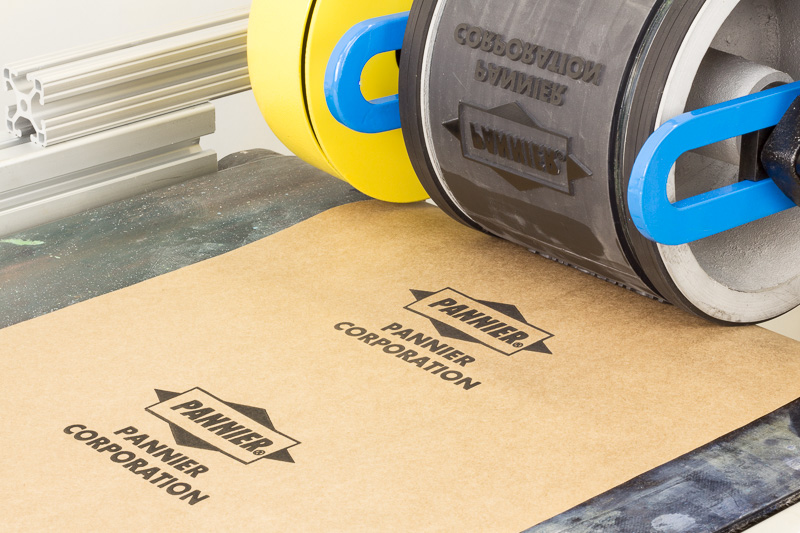
The essence of flexographic printing lies in its use of flexible photopolymer printing plates. These plates are wrapped around rotating cylinders on a web press. The design is mirrored and raised on these plates, and as they rotate, ink is transferred to the substrate.
Types of Flexographic Printers
Flexographic printers are categorized into three main types: stack presses, inline presses, and central impression presses. Each type has unique characteristics suited to different printing needs from stickers to brochures. Learn more.
Materials Used in Flexographic Printing
The primary materials used in flexographic printing are the substrates and inks. Substrates can range from plastic, metallic films, paper to cellophane. The inks used are usually solvent-based, water-based, or UV-curable, depending on the substrate and the end use of the printed material.
The Flexographic Printing Process
Flexographic printing involves several steps from plate making to the final product. The process starts with creating a master plate, followed by mounting this plate onto the press, printing, and then through various drying and finishing processes.
Applications of Flexographic Printing
This method is used across various industries, prominently in packaging, newspapers, and labeling. Its versatility allows it to adapt to different materials and complex print designs.
Advantages of Flexographic Printing
Flexography is highly valued for its speed and efficiency, enabling fast turnaround times for high-volume orders. It is also versatile and cost-effective, making it ideal for a wide range of applications.
Challenges in Flexographic Printing
Despite its many benefits, flexographic printing faces challenges such as environmental concerns related to the disposal of inks and solvents and technical limitations in achieving extremely fine detail compared to methods like digital printing.
Future Trends in Flexographic Printing
The future of flexography looks promising with ongoing advancements in technology and increased focus on sustainability. Innovations such as improved ink formulations and better printing equipment are set to enhance the quality and environmental footprint of flexographic printing.
Comparing Flexographic Printing with Other Printing Methods
Flexographic printing holds distinct advantages over offset and digital printing, especially in terms of operating speed and efficiency for large-scale productions. However, each method has its specific benefits and suitable applications.
Choosing the Right Flexographic Printer
Selecting the right flexographic printer involves considering various factors, including the type of substrate, desired print quality, and production volume. Recommendations typically guide potential buyers based on their specific requirements.
Maintenance and Care of Flexographic Printers
Maintaining a flexographic printer is crucial for ensuring longevity and optimal performance. Routine maintenance tasks and addressing common issues are essential parts of the upkeep.
Training and Skills Development in Flexographic Printing
For those interested in a career in flexographic printing, there are numerous educational resources and training programs available. These are designed to enhance skills and ensure proficient handling of the printing equipment.